Research
Nonlinear optics in natural and bio-based materials
Nonlinear optics in natural and bio-based materials is a rapidly evolving field that examines how materials respond nonlinearly to high-intensity light. Unlike linear optical media, these materials exhibit intensity-dependent phenomena such as self-phase modulation (SPM) and reverse saturable absorption (RSA). Natural substances like vegetable oils, chlorophyll, and nanostructures offer eco-friendly and biocompatible platforms for applications in optical limiting, switching, sensing, and photonics.
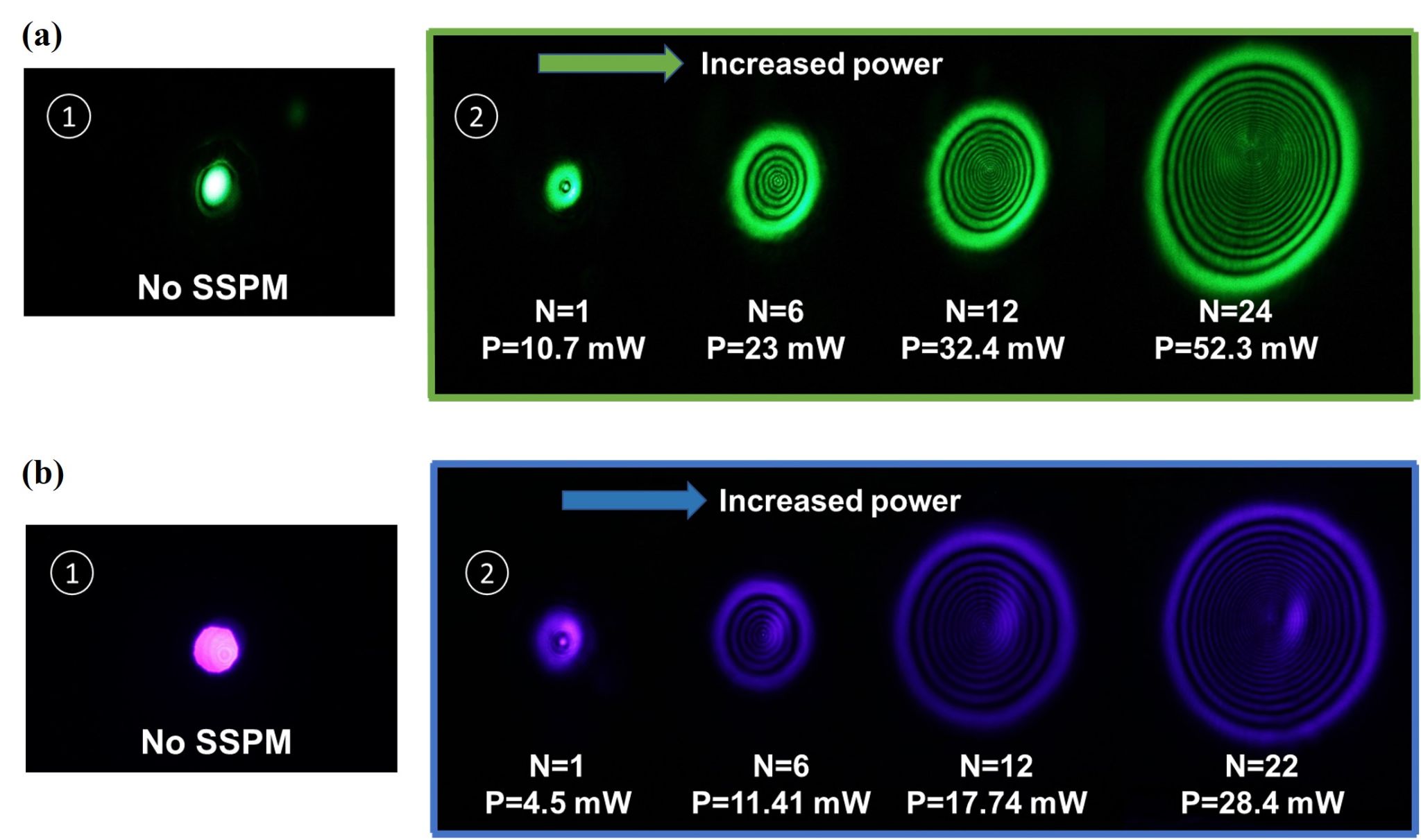
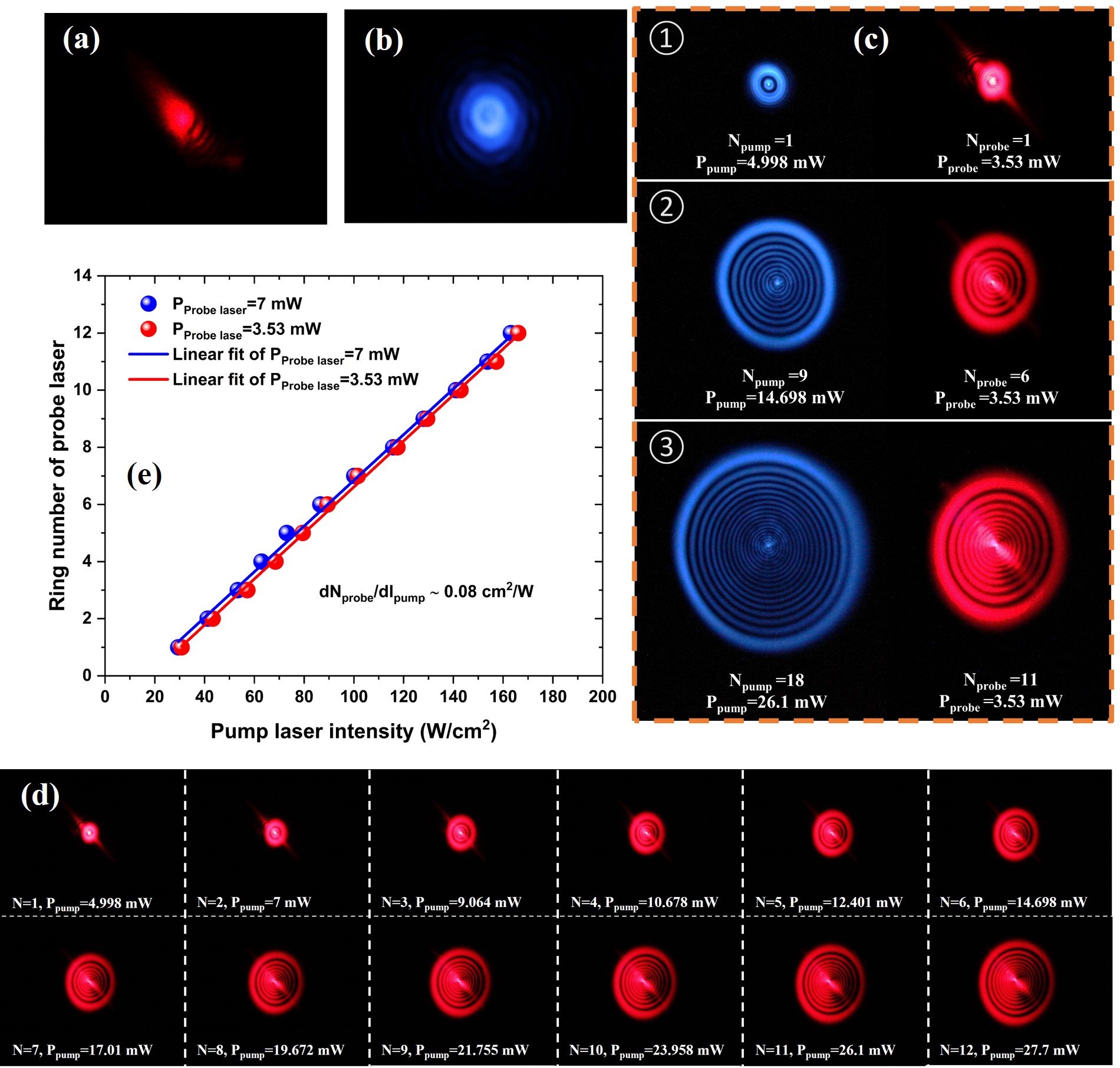
My research focuses on nonlinear optical phenomena in natural and hybrid materials, particularly under continuous-wave and pulsed laser excitation. I investigate how organic media such as edible oils—including pumpkin seed, cherry kernel, sesame, and wild pistachio oil—exhibit intensity-dependent refractive behaviors. These studies rely on experimental techniques like spatial self-phase modulation (SSPM) and cross-phase modulation (SXPM) to characterize thermal and electronic nonlinearities. A key area of my work is the optical limiting potential of these oils, which are inherently rich in conjugated biomolecules such as chlorophylls a and b. These molecules contribute to nonlinear responses like reverse saturable absorption (RSA) and nonlinear scattering. To enhance these effects, I incorporate 2D nanostructures, notably MoSe₂ nanosheets, forming hybrid systems with significantly improved modulation depth and limiting thresholds. I have demonstrated how the synergy between fatty acid structure and nanomaterial interfaces governs the magnitude of nonlinear coefficients.
My experimental results consistently show that eco-friendly materials can rival conventional synthetic media in nonlinear performance while offering superior biocompatibility and sustainability. Through this line of inquiry, I aim to develop low-cost, scalable, and green photonic materials for use in optical communication, nonlinear filtering, and next-generation light-control technologies. My broader goal is to establish a fundamental and application-driven understanding of nonlinear light–matter interaction in natural systems
Spectroscopy in Complex Materials
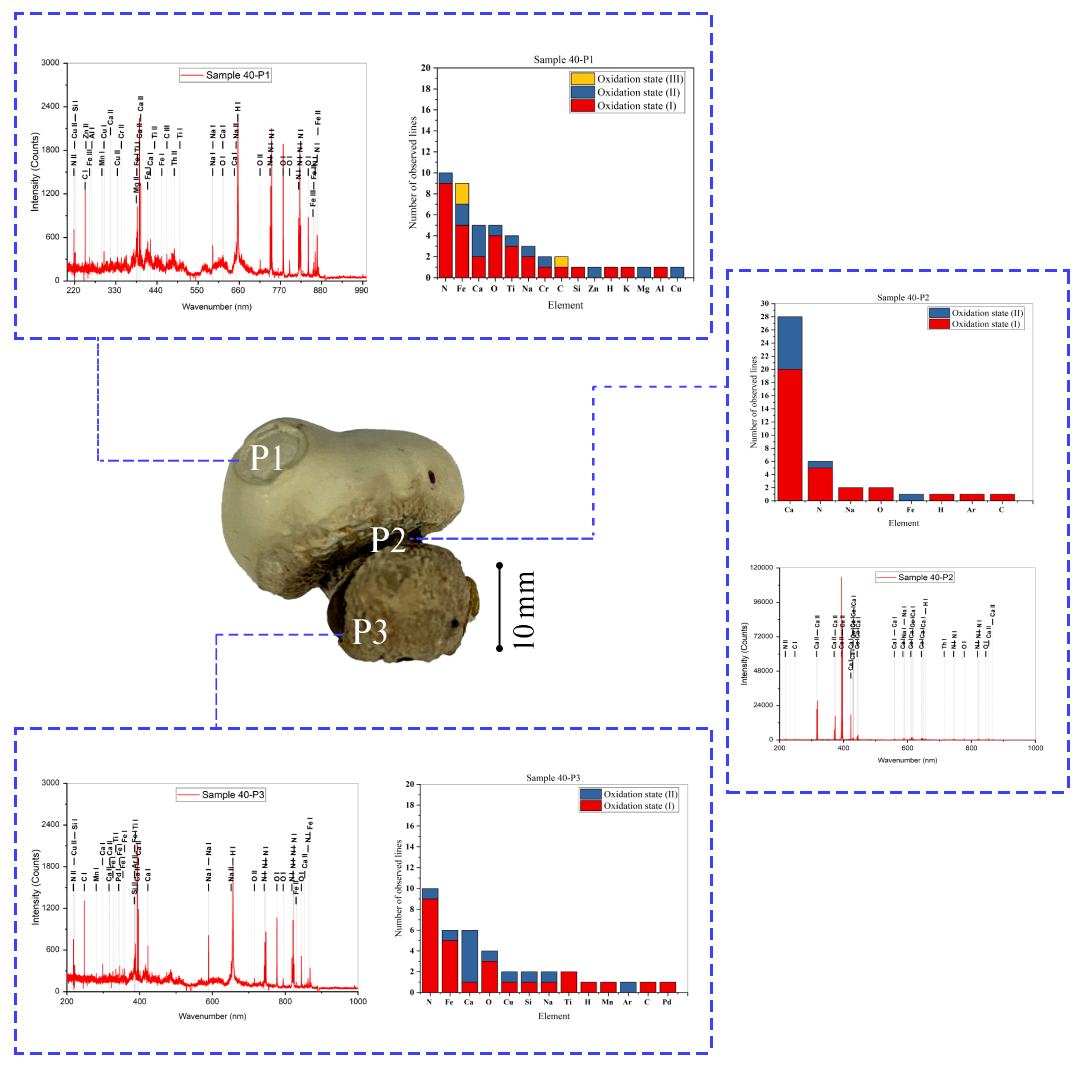
Spectroscopy of complex materials holds great significance because this technique enables precise identification of molecular structure, chemical composition, and physical properties of substances. This is especially crucial for biological and mineral materials, which often have complex, heterogeneous, and multi-component structures. Spectroscopy serves as a key tool for accurate and non-destructive analysis.
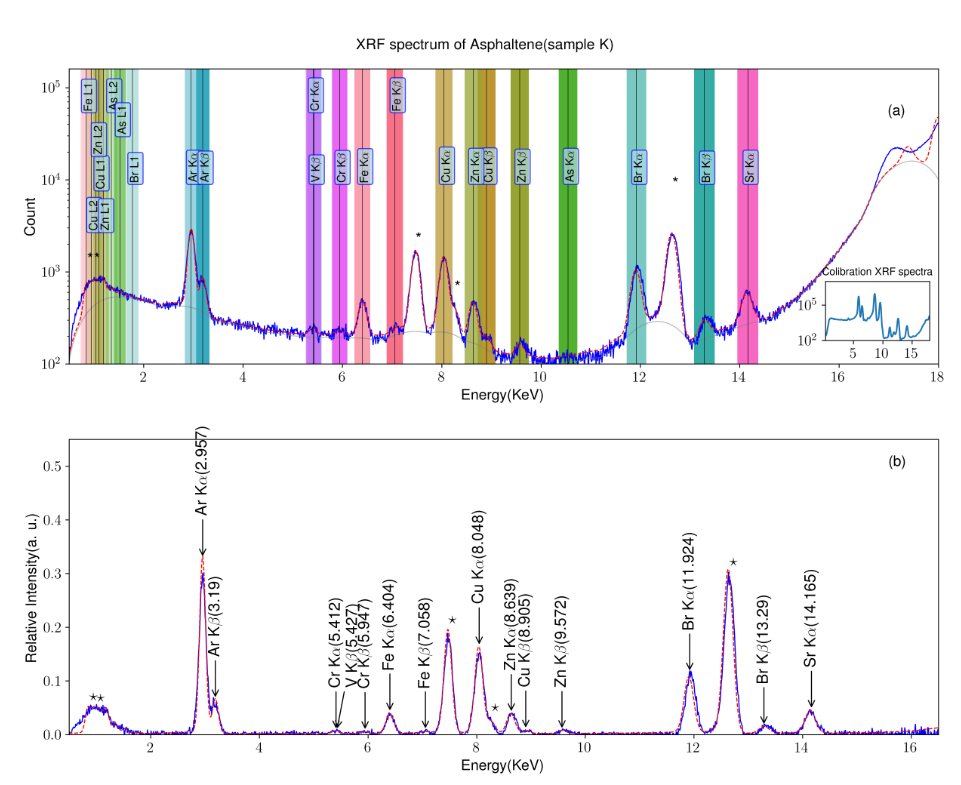
For biological materials, spectroscopy helps identify major components such as proteins, lipids, carbohydrates, and nucleic acids, and reveals structural changes during biological processes, diseases, or drug responses. Techniques like Fourier-transform infrared spectroscopy (FTIR) and Raman spectroscopy assist in investigating chemical alterations in biological tissues and pharmaceutical samples. Additionally, mass spectrometry is widely used in structural biology for sequencing proteins and detecting post-translational modifications. Regarding mineral materials, spectroscopy plays a vital role in determining elemental composition, various crystalline phases, and chemical states of elements. Methods such as atomic absorption spectroscopy (AAS), X-ray absorption and fluorescence spectroscopy (XAS, XRF), and secondary ion mass spectrometry (SIMS) are employed to study the structure and composition of minerals. These insights are essential for mining exploration, mineral quality control, and understanding geological processes.
Overall, spectroscopy of complex materials allows for molecular and atomic-level investigation of structure and function, with broad applications in medicine, pharmaceuticals, environmental science, earth sciences, and advanced materials. The importance of this technique stems from its accuracy, speed, and non-destructive nature in analyzing real and complex samples.
Synchrotron Applications in Medicine, Minerals, and Heritage of Yazd
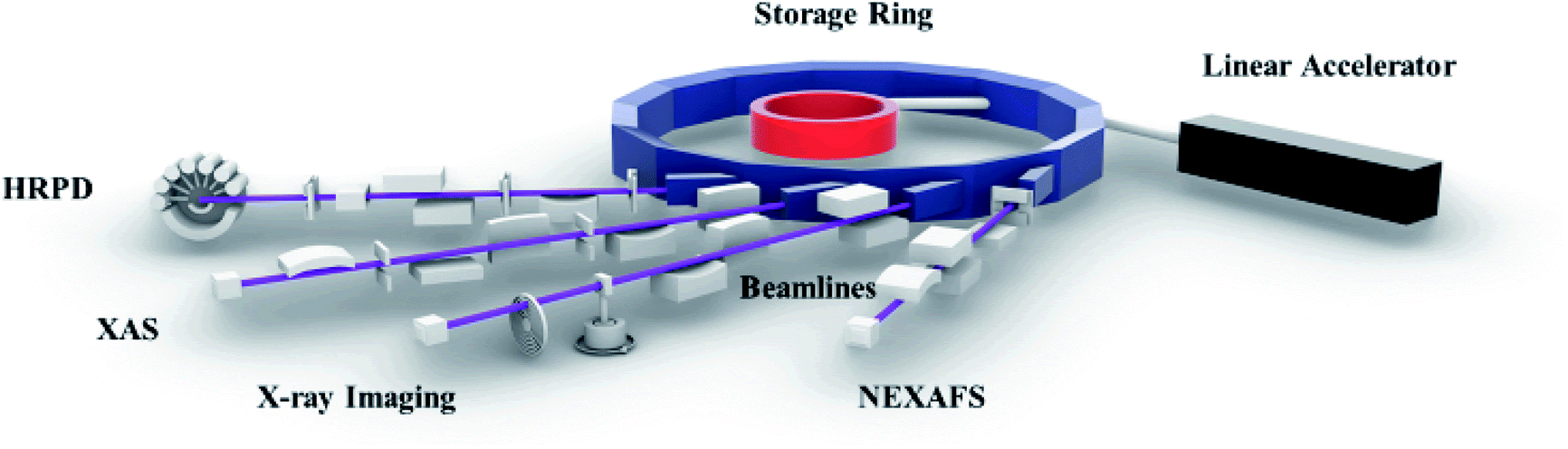
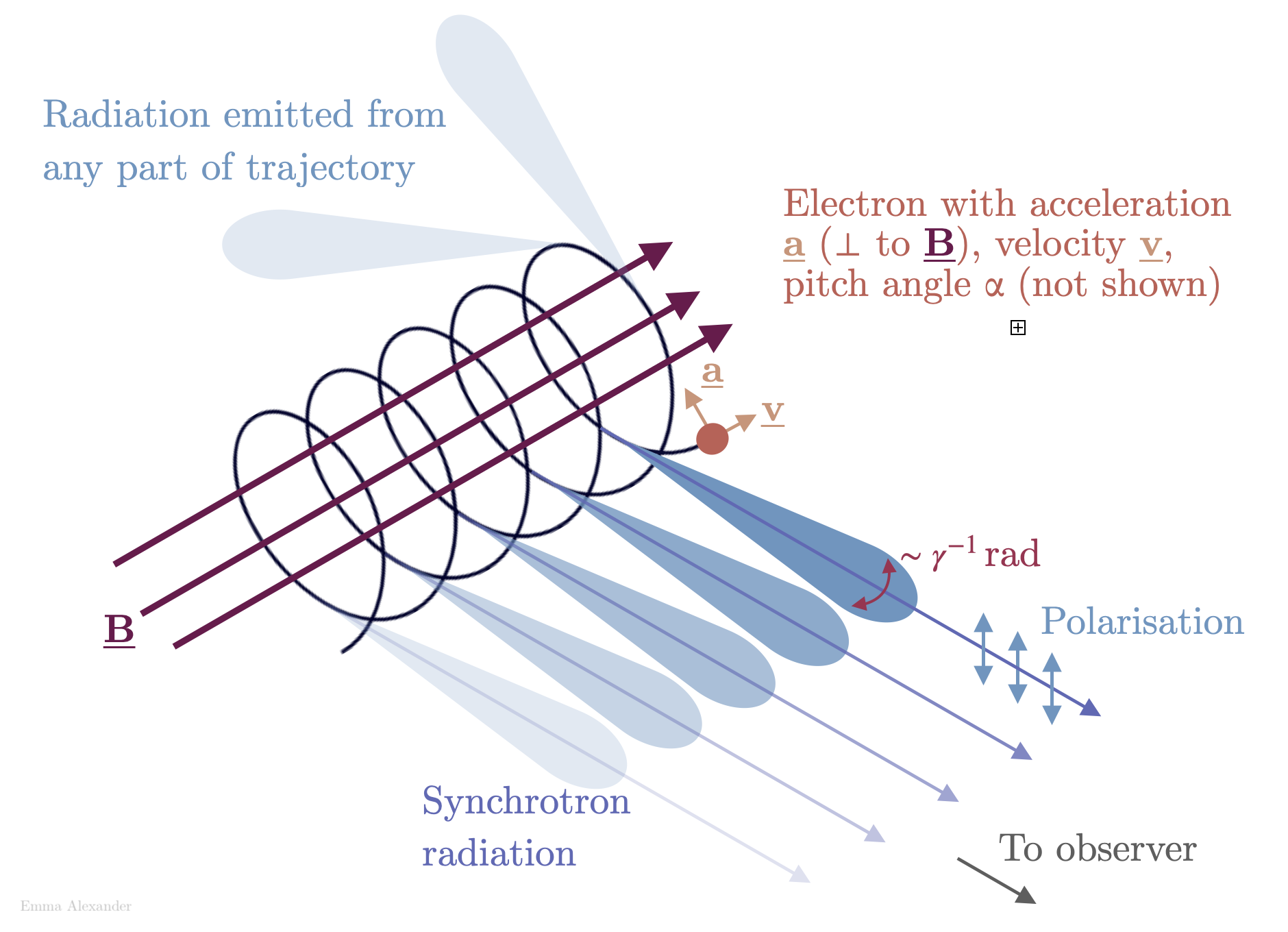
Synchrotron radiation, due to its high brilliance, tunable energy range, collimation, and polarization, has become an essential tool in advanced spectroscopy and imaging. In the field of cultural heritage, synchrotron-based techniques enable precise and non-destructive analysis of historical materials. Methods such as X-ray Absorption Spectroscopy (XAS) and X-ray Fluorescence (XRF) are widely used for elemental and chemical characterization of pigments, metals, and organic compounds. Additionally, synchrotron-based Fourier Transform Infrared Spectroscopy (FTIR) is valuable for identifying the molecular structure of varnishes, adhesives, and other organic materials. X-ray Diffraction (XRD) techniques help reveal the crystalline phases present in ceramics, glasses, and metal alloys.
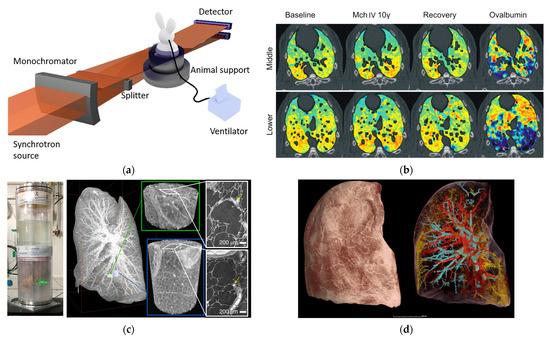
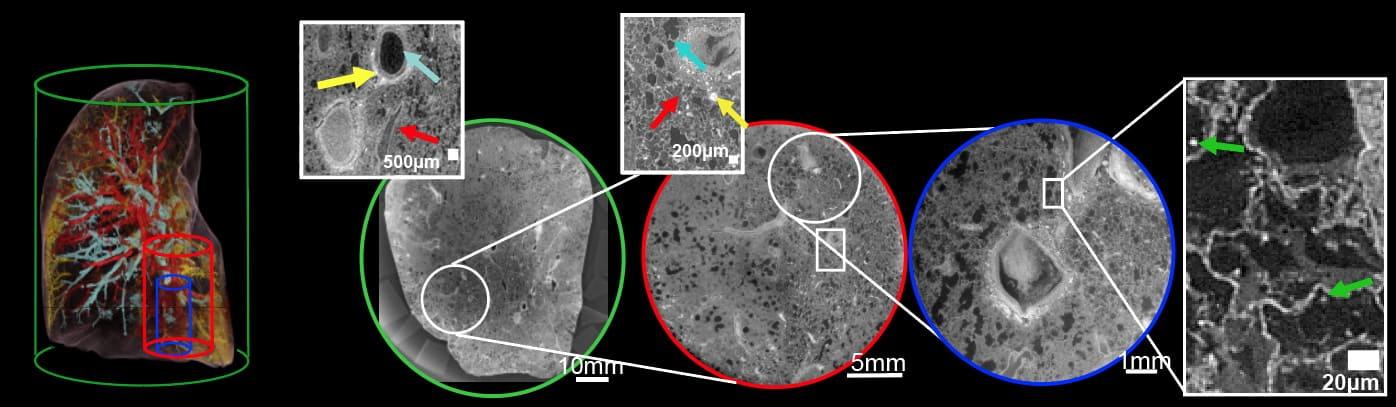
These high-resolution and non-invasive techniques provide critical insights for conservation and restoration without causing damage to precious artifacts. One of the most powerful emerging techniques is synchrotron-based X-ray Tomography, which allows for three-dimensional reconstruction of the internal structure of complex objects such as fossils, archaeological artifacts, and multi-layered artworks—without the need for physical sectioning. This is particularly useful for examining hidden features or internal damage. In the medical field, synchrotron radiation plays a prominent role in high-resolution imaging, including phase-contrast X-ray imaging, which enables clear visualization of soft tissues like the brain and lungs without the use of contrast agents. Techniques such as XANES and XRF allow trace element mapping in biological tissues, which is valuable in studying neurodegenerative diseases or metal-based drug distribution.
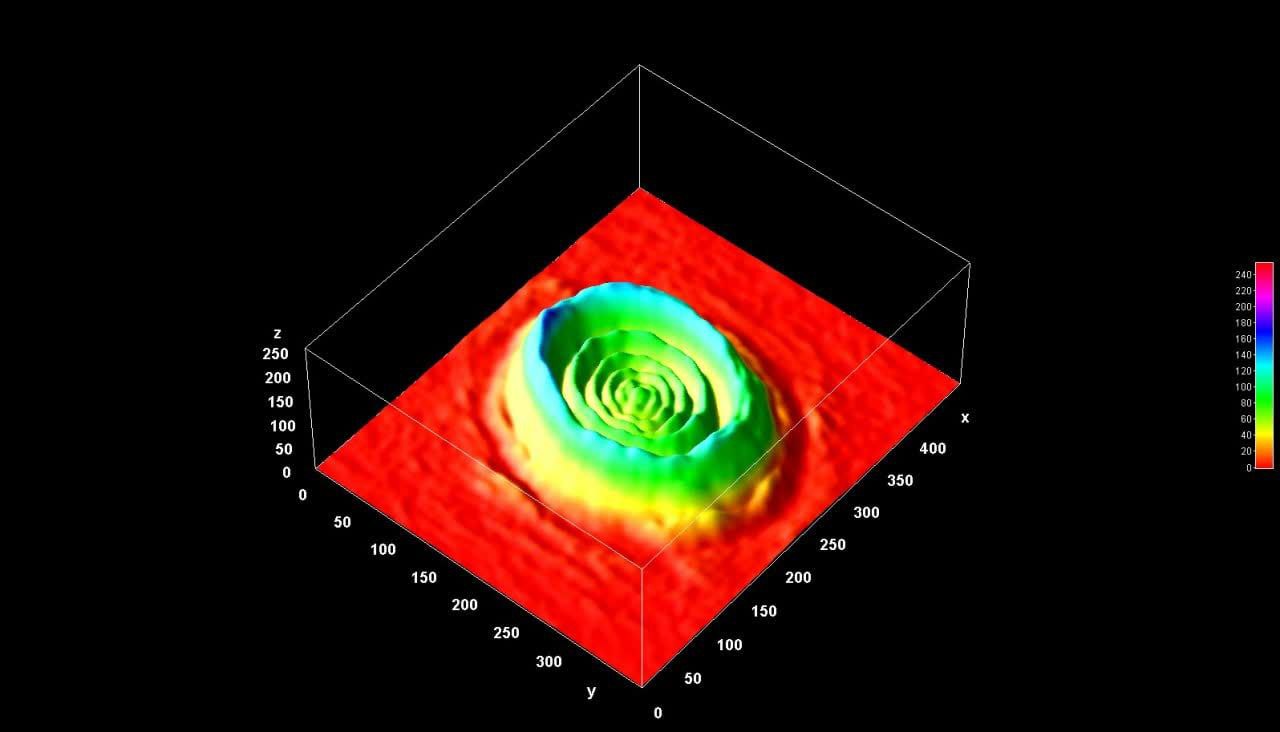
My current research focuses on the application of synchrotron radiation in the fields of medicine, mineral analysis, and heritage science, particularly in the historical city of Yazd, Iran. This work involves the characterization of biological and mineral samples as well as ancient artifacts, using advanced synchrotron-based techniques to uncover their structural and chemical properties with high precision and without damaging the samples.